
EICR Reports for Domestic Properties
Ensure Electrical Safety and Compliance with DC Electrical
What is an EICR?
An Electrical Installation Condition Report (EICR) provides an independent assessment of the safety and condition of your property's electrical installation. Whether you're a homeowner, landlord, buyer, or letting agent, an EICR helps identify hidden electrical defects before they become costly, dangerous, or legally problematic.
Why Choose DC Electrical?
- NICEIC Approved Contractors
- Over 20 years of accredited experience
- Detailed and thorough inspections
- Clear explanations without technical jargon
- Honest recommendations with no unnecessary upselling
- Fast report turnaround
- Remedial works available if required
- Trusted by homeowners, landlords, and property professionals
When Should You Consider an EICR?
- Before purchasing a property
- Before selling a property
- When moving into a new home
- After major renovation works
- If the property is over 10 years old
- If you're experiencing recurring electrical faults
- Before letting a property
- Following flood, fire, or significant building works
Not All EICRs Are the Same
Some EICRs are completed quickly and at extremely low cost. While the price may appear attractive, the quality of inspection and reporting can vary significantly.
A poorly conducted inspection may:
- Miss dangerous defects
- Fail to identify future concerns
- Provide insufficient detail
- Create difficulties when remedial works are required
- Leave property owners with a false sense of security
At DC Electrical, we believe an EICR should provide clear, reliable information that helps property owners make informed decisions about safety, compliance, and future investment.
What Does an EICR Inspection Include?
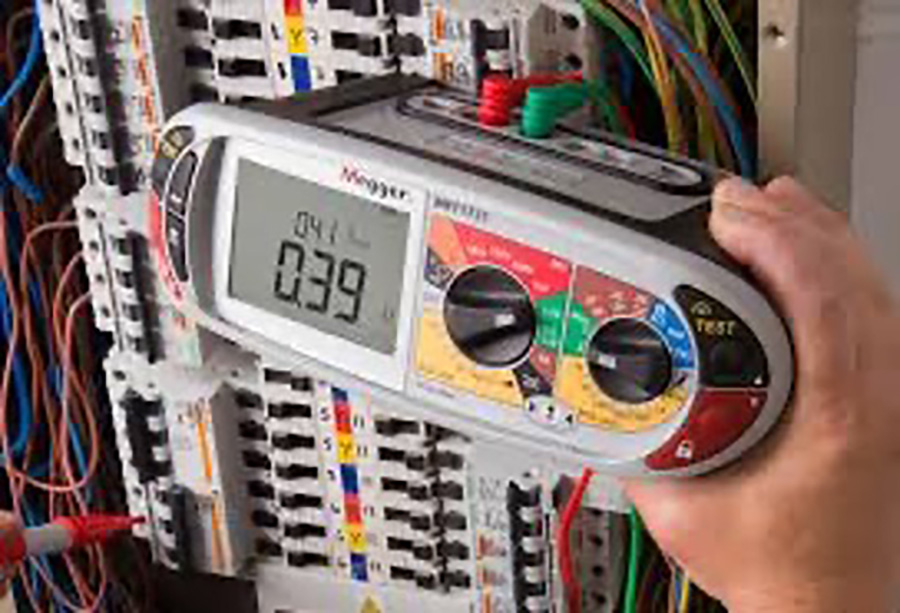
Our inspection and testing process typically covers:
- Consumer unit (fuse board) condition and suitability
- Earthing and bonding arrangements
- Socket outlets and switches
- Lighting circuits
- Circuit protective devices
- RCD protection
- Electrical accessories and fittings
- Wiring condition where accessible
- Polarity checks
- Insulation resistance testing
- Circuit continuity testing
- Identification of overloaded circuits
- Detection of potential fire risks
- Assessment against current BS7671 regulations
Common Defects Found During EICRs
Even relatively modern properties can contain potentially dangerous defects.
Common issues include:
- Missing RCD protection
- Deteriorated wiring
- Damaged socket outlets
- Incorrect earthing arrangements
- Inadequate bonding to gas or water services
- Overloaded circuits
- DIY electrical alterations
- Unsafe consumer units
- Incorrect circuit protection
- Electrical accessories showing signs of overheating
Many of these defects are not visible during normal day-to-day use and may remain undiscovered until a fault, electric shock, or fire occurs.
Many homeowners are surprised to discover defects that show no obvious signs until tested by a qualified inspector.
Why Periodic Testing Matters
Electrical installations can deteriorate with age, use, or environmental changes. Periodic testing helps identify potential hazards before they become serious issues, protecting homeowners, families, and tenants from electrical risks. Although an EICR at the change of occupancy is not a specific legal requirement, DC Electrical strongly recommends one at this stage because it gives landlords added peace of mind and helps identify any damage, defects, or interference that may have arisen during the previous tenancy.
Buying a Property?
An EICR can reveal electrical defects that are not apparent during a standard building survey.
Before exchanging contracts, an EICR can help:
- Identify expensive remedial works
- Highlight safety concerns
- Support price negotiations
- Avoid unexpected costs after completion
- Provide confidence in the condition of the installation
Many buyers spend hundreds of thousands of pounds on a property while knowing very little about the condition of the electrical system.
An EICR can provide valuable information before you commit to a purchase.
Considering a property purchase? Contact DC Electrical to arrange a pre-purchase EICR and gain a clearer understanding of the condition of the electrical installation before you commit.
EICRs for Landlords and Letting Agents
We work with landlords and property managers to ensure compliance with current legislation.
Our service includes:
- Periodic inspections
- Change-of-tenancy inspections
- Clear coding and recommendations
- Remedial work quotations where required
- Certification following remedial works
- Fast turnaround to minimise void periods

What Happens After Your EICR?
Many customers worry they'll receive a report full of codes and have no idea what it means.
At DC Electrical, we don't simply issue a report and leave you to work it out for yourself.
Once your inspection is complete, we'll explain our findings in plain English, discuss any observations, answer your questions, and provide practical recommendations where necessary.
If remedial works are required, we can provide clear quotations and guide you through the most appropriate course of action.
Our aim is to ensure you fully understand the condition of your electrical installation and any steps needed to keep it safe and compliant.
Legal Requirements for Homeowners and Landlords
In England, landlords must ensure the electrical installation in their rented property is inspected and tested by a qualified person at intervals of no more than five years, or sooner if the report specifies an earlier date. They must also provide the report to tenants and, if requested, to the local authority. For homeowners, an EICR is not generally a legal requirement, but it is widely recommended at appropriate intervals and whenever there is concern about the condition of the installation. While a change of occupancy does not automatically create a new legal duty to test, arranging an EICR at that point remains a sensible and proactive measure.
Insurance And Liability Protection
Electrical faults remain one of the leading causes of property fires and can result in significant damage, injury, and financial loss.
A current Electrical Installation Condition Report (EICR) demonstrates that reasonable steps have been taken to maintain the safety of the electrical installation and identify defects before they develop into more serious problems. For homeowners, this provides reassurance that the installation has been professionally assessed. For landlords, it helps demonstrate compliance with legal obligations and can prove invaluable should disputes, enforcement action, or insurance claims arise.
Many insurers expect property owners to maintain electrical installations in a safe condition. In the event of an electrical fault, fire, or related claim, an up-to-date EICR may provide important evidence that the installation has been properly maintained and inspected.
Protect your property, your investment, and your liability by ensuring your electrical installation is inspected at appropriate intervals and supported by a comprehensive EICR.
Understanding EICR Categories
An EICR divides its findings into clear categories so that you can understand both the severity of the issue and the action that should follow. At DC Electrical, we make sure our clients are not left guessing. We explain exactly what each category means, what needs to be done next, and how quickly action should be taken to keep the installation safe and compliant.
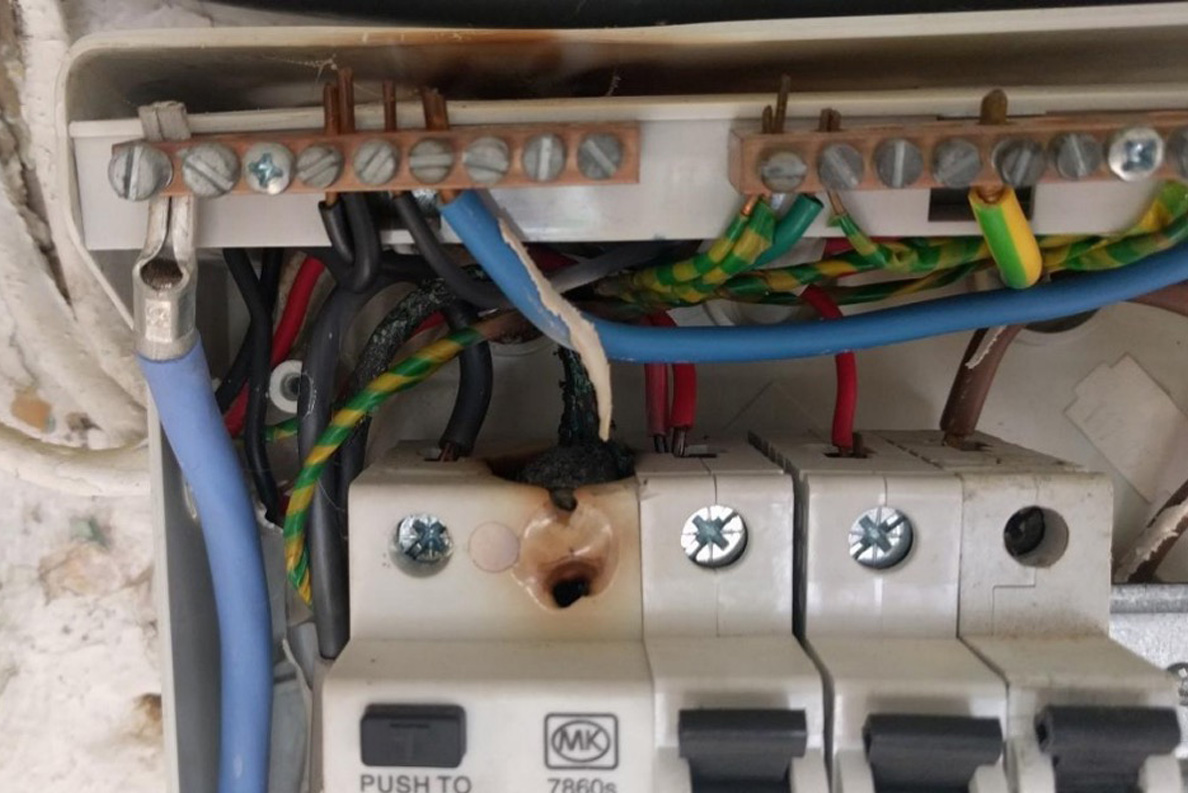
C1 – Immediate Danger:
This means danger is present and immediate action is required. Work should be undertaken without delay to safeguard anyone using the installation, and in some cases the affected part of the system may need to be isolated until repairs are completed. A C1 observation should never be ignored because it indicates a direct risk of injury.
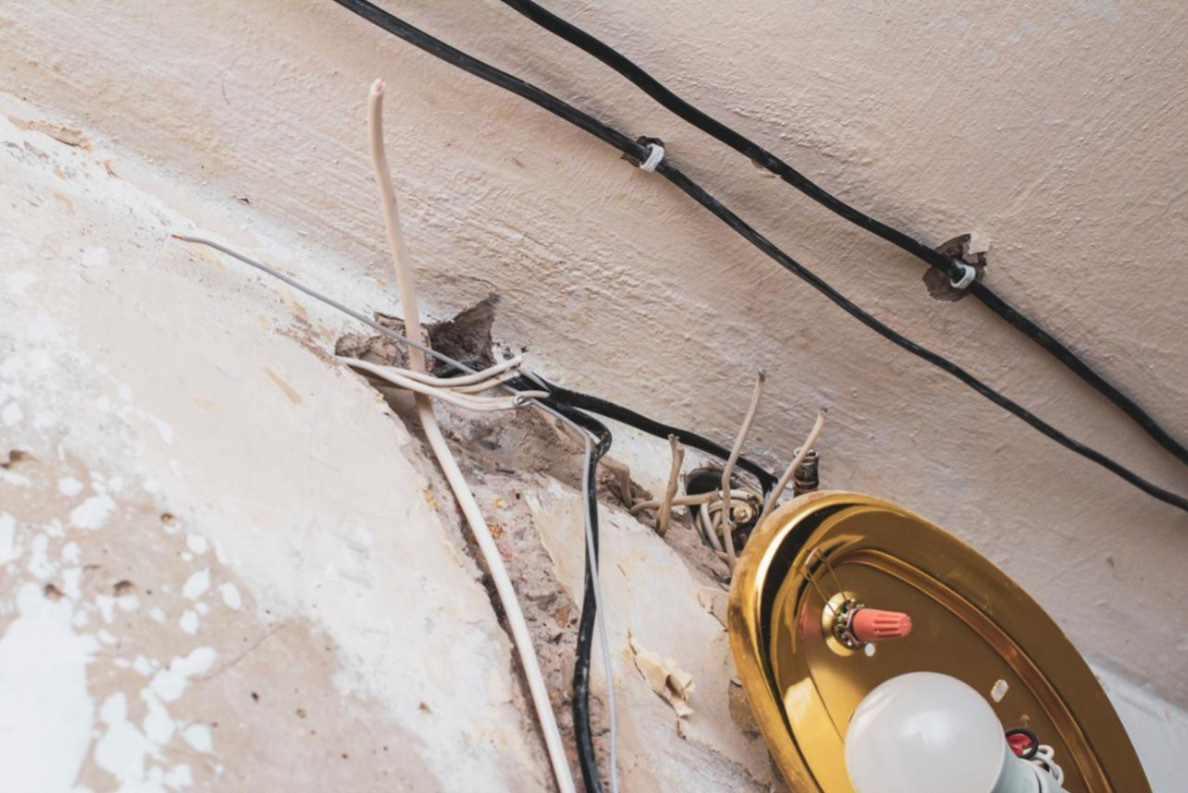
C2 – Potential Danger:
A C2 code means the installation is potentially dangerous and remedial work should be carried out as soon as possible as a matter of urgency. This also places a level of responsibility on the person ordering the work to make sure the defect is addressed promptly. For landlords in England, dangerous or potentially dangerous items identified in a rented property will typically need to be rectified within 28 days, or sooner if the report specifies a shorter period.
C3 – Improvement Recommended:
A C3 code does not make the installation unsatisfactory on its own, but it should not be dismissed. It highlights areas where improvement is recommended, and DC Electrical does not take the view that these items can simply be ignored. In some cases, C3 observations can develop into more serious issues if left unattended. A high number of C3 items may also influence the recommended date of the next inspection, as an engineer may decide the installation should be checked again sooner to confirm it remains safe for continued use. The key message is that keeping up to date with current standards and recommendations is an important part of maintaining a safe and reliable electrical installation.
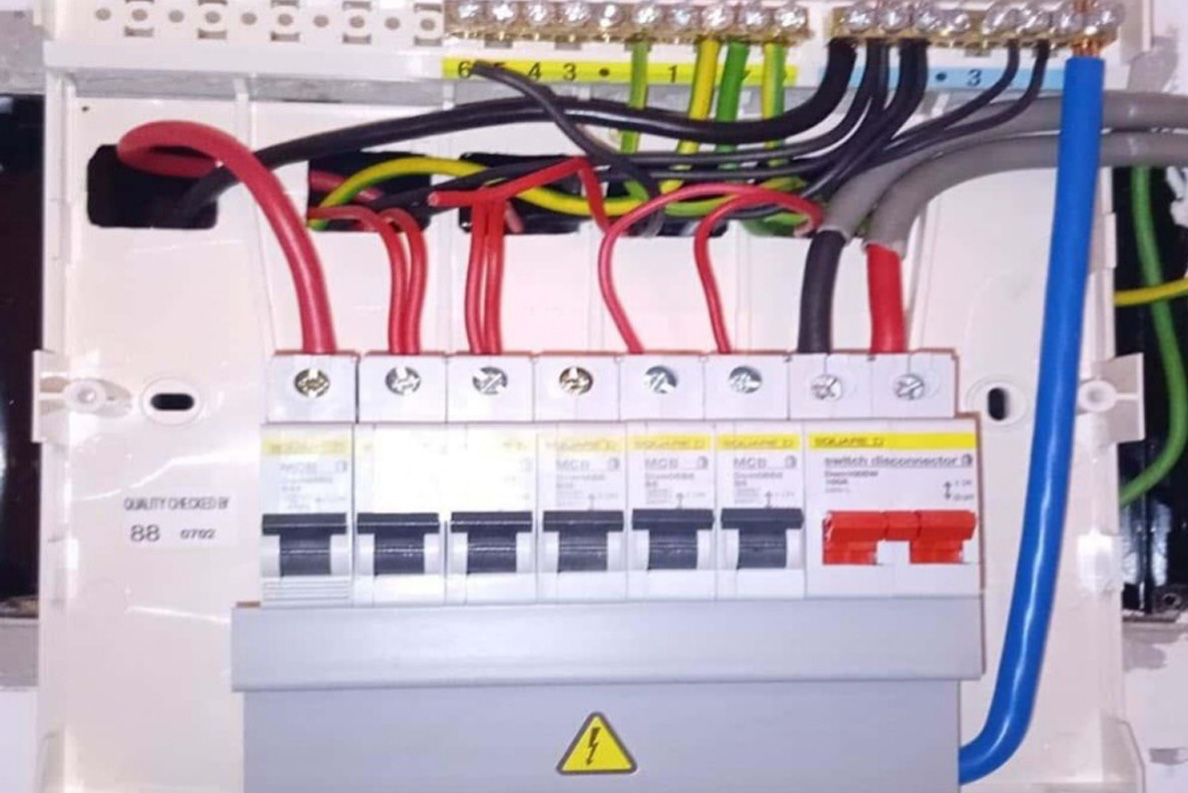
Detailed Reporting You Can Rely On
At DC Electrical, we believe an EICR should provide meaningful information that allows informed decisions to be made about safety, compliance, and future investment.
Our inspections go beyond a basic visual assessment and are designed to provide a clear picture of the condition of the electrical installation.
Our reports are designed to provide:
- Clear photographic evidence where appropriate
- Accurate coding based on current regulations
- Practical recommendations
- Thorough circuit testing
- Detailed observations
- A genuine understanding of the installation's condition
A quality EICR should help you make informed decisions, not create confusion.
Frequently Asked Questions
Yes. An EICR can still be classified as satisfactory if it contains C3 observations.
A C3 code indicates that an improvement is recommended but that the issue does not present immediate or potential danger. While these items should not be ignored, they do not by themselves result in an unsatisfactory report.
In contrast, C1 (Danger Present) and C2 (Potentially Dangerous) observations will normally result in an unsatisfactory outcome until appropriate remedial works have been completed.
At DC Electrical, we will explain all observations and help you understand which items are recommendations and which require urgent attention.
This depends on the nature of the observations and the type of property involved.
For homeowners: There is generally no fixed legal timescale, but any dangerous defects should be addressed as soon as possible to ensure the installation remains safe.
For landlords in England: Where an EICR identifies dangerous or potentially dangerous defects (typically C1 or C2 observations), remedial works will normally need to be completed within 28 days, or sooner if the report specifies a shorter timescale. Once the work has been completed, confirmation should be obtained from the person carrying out the remedial work and retained with the report.
At DC Electrical, we will clearly explain any observations, discuss the urgency of any remedial works, and provide quotations where corrective action is required.
Unlike a simple pass or fail test, an EICR assesses the condition of the electrical installation and records any observations using recognised coding categories.
If no dangerous or potentially dangerous defects are identified, the report will normally be classified as satisfactory. Where C1 (Danger Present) or C2 (Potentially Dangerous) observations are recorded, the report will generally be classified as unsatisfactory until appropriate remedial works have been completed.
We will always explain the outcome clearly and discuss any recommendations or remedial works that may be required.
Ready to Arrange Your EICR?
An Electrical Installation Condition Report provides a clear and accurate assessment of the condition and safety of your electrical installation, helping you make informed decisions about your property.
Whether you're a homeowner, landlord, property buyer, or letting agent, DC Electrical provides thorough inspections, detailed reporting, and practical professional advice backed by over 20 years of NICEIC-approved experience.
Our aim is simple: to help you understand the condition of your electrical installation, identify any areas of concern, and ensure your property remains safe, compliant, and protected.
Contact DC Electrical today to discuss your requirements or arrange an inspection.
We're always happy to answer your questions and provide professional advice tailored to your property.


